
Florida & New Jersey Real Estate Market Rotation: What Homeowners Need to Know in 2024
If you're trying to figure out whether to buy or sell in Florida or New Jersey, you've probably noticed these two states operate like they're playing by completely different rules. And in 2024, those differences became even more pronounced.
Understanding what happened in both markets can help you make smarter decisions: especially if you're thinking about selling your home quickly without the usual hassles.
The Price Gap That Tells Half the Story
Here's where things get interesting. In mid-2024, Florida's median home price sat around $410,000, while New Jersey averaged closer to $480,000. That's a $70,000 difference right off the bat.
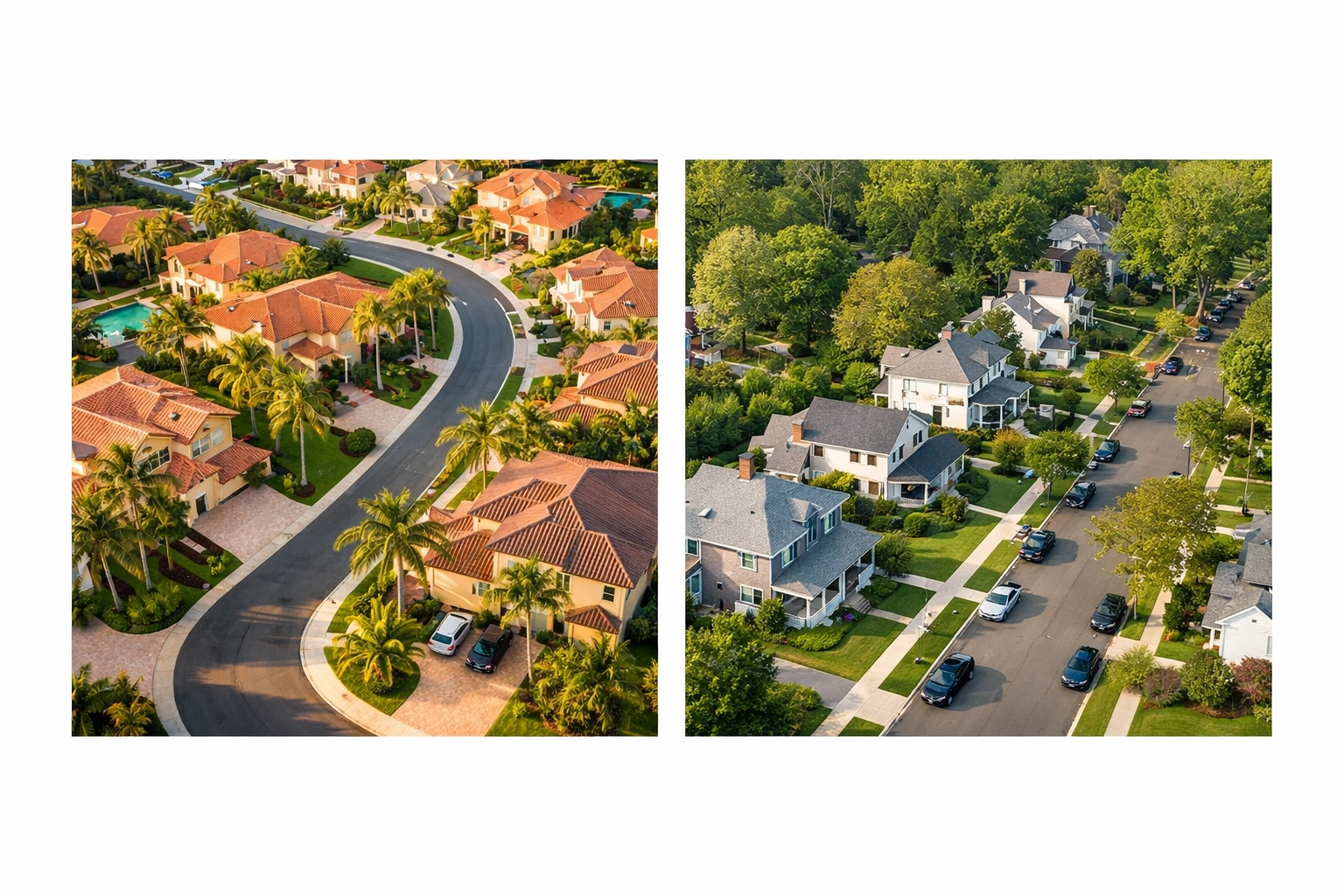
On the surface, Florida looks like the obvious winner for affordability. But the real story goes deeper than sticker price: and it involves something most people don't factor in until it's too late.
Property Taxes Change Everything
New Jersey homeowners pay an average property tax rate of 2.21%. Florida? Just 0.89%.
Let's break that down in real numbers. On a $450,000 home:
- New Jersey: You'd pay roughly $9,945 per year in property taxes
- Florida: You'd pay around $4,005 per year
That's nearly $6,000 more annually in New Jersey: or about $500 extra every single month. Over 10 years, that's an additional $60,000 just in property taxes.
For counties like Essex, Union, Bergen, and Morris in New Jersey, these tax bills can feel crushing: especially when combined with other rising costs. Meanwhile, Florida counties like Orange, Hillsborough, Pinellas, and Lee offered significantly more breathing room for homeowners.
Inventory Levels Moved in Opposite Directions
Here's where Florida and New Jersey really diverged in 2024.
Florida saw inventory levels grow throughout the year. More homes hit the market, giving buyers more options and creating a more balanced environment. Prices stabilized, and the frenzy of previous years cooled down.
New Jersey went the other way. Inventory stayed tight. Why? Many homeowners who might have sold decided to stay put. With mortgage rates still elevated, selling meant giving up a lower rate and potentially getting locked into something much higher on the next purchase.

This created a standoff: fewer homes available, but also fewer buyers willing to pay top dollar in a high-rate environment.
Florida's Growth vs. New Jersey's Stability
Florida's real estate market had been on a tear leading into 2024. Over the previous five years, home values had increased by 80%. Over ten years? A staggering 132.2%.
That kind of appreciation attracted waves of buyers from high-cost areas: particularly from New York: looking to escape high taxes and lock in better long-term affordability.
New Jersey's appeal remained different. It's not about explosive growth: it's about proximity to New York City and the job opportunities that come with it. For many families, that access is worth the higher costs. Multifamily properties and mixed-use developments continued performing well in suburban New Jersey counties, driven by steady income growth and demand.
But for homeowners who aren't tied to the New York metro area, the value proposition started looking shakier.
Foreclosure Risk Showed Up Differently
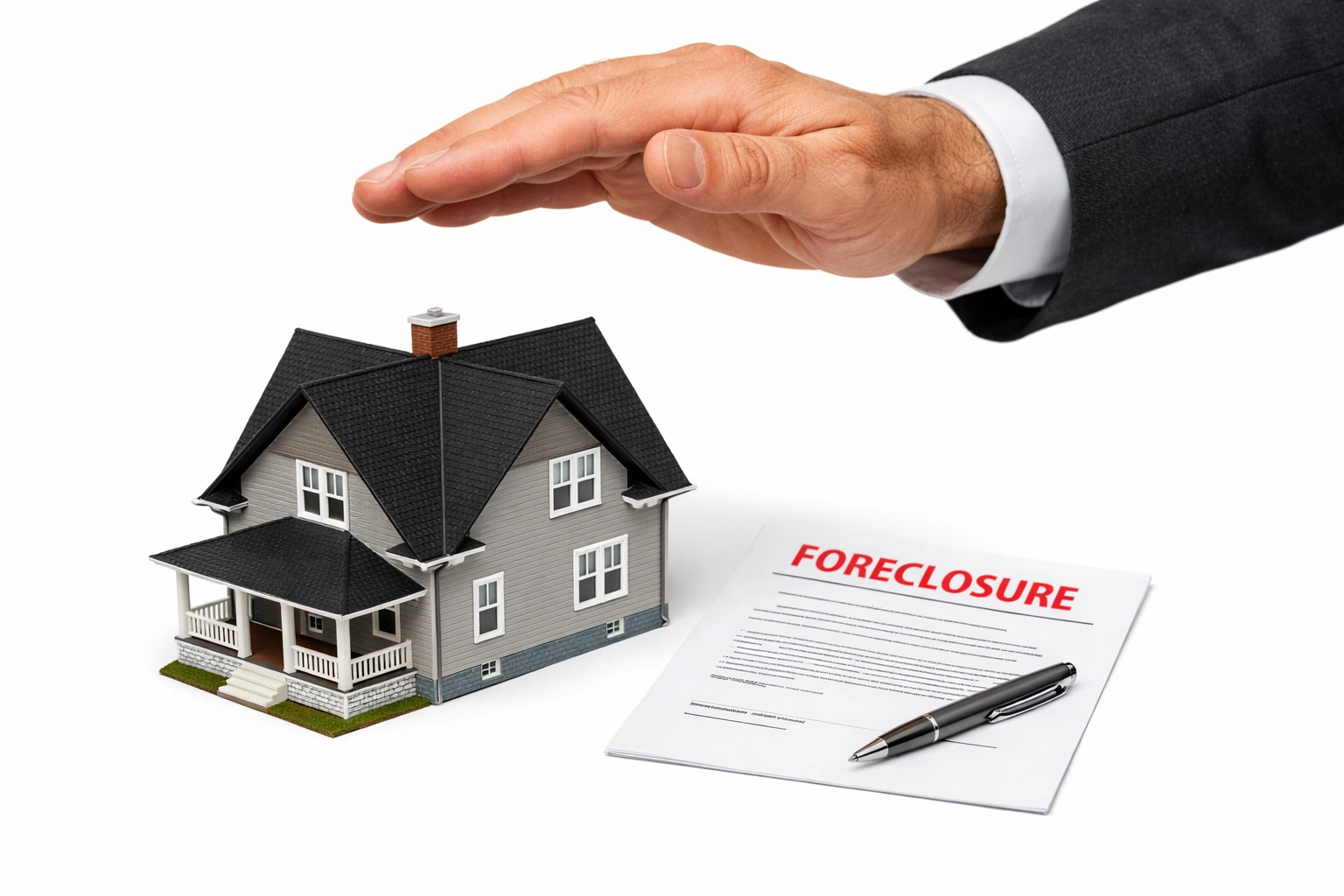
In 2024, New Jersey faced higher foreclosure vulnerability than Florida. About 1 in every 2,600 homes in New Jersey entered foreclosure proceedings: higher than Florida's rate.
Counties like Cumberland and Sussex saw particularly elevated foreclosure activity, which put downward pressure on local markets.
Florida's market, while not immune to challenges, remained more stable overall. Homeowners facing financial pressure had more options: including selling for cash to avoid foreclosure altogether.
What This Meant for Sellers in Each State
If you were a homeowner in Florida or New Jersey in 2024, your situation likely fell into one of these categories:
You needed to sell quickly because of job relocation, financial pressure, divorce, or an inherited property you didn't want to manage.
You didn't want to deal with repairs or upgrades: maybe your home needed work, or you just didn't have the time or money to invest before listing.
You wanted to avoid the traditional listing process: showings, open houses, lengthy negotiations, buyer financing falling through at the last minute.
For these situations, the traditional real estate market in both states presented challenges. In New Jersey, tight inventory meant you might get offers: but also meant buyers expected everything to be perfect. In Florida, growing inventory meant more competition and potentially longer days on market.
When Selling As-Is Makes More Sense
Here's something many homeowners don't realize: you don't have to play by traditional rules.
If you're in a county like Hillsborough or Pinellas in Florida, or Essex or Bergen in New Jersey, and you need to sell without the usual headaches, there are alternatives.
Selling as-is for cash means:
- No repairs or renovations required
- No open houses or endless showings
- No waiting for buyer financing to clear
- No real estate commissions eating into your proceeds
- Fast closing: sometimes in as little as 7 days
This approach works especially well if your home has issues that would scare off traditional buyers: foundation problems, roof damage, outdated systems, or even just cosmetic wear that you don't want to address.
It also works if you're facing foreclosure and need to sell before things get worse. A quick cash sale can help you walk away with equity intact and your credit protected.
The Counties Where This Matters Most
In Florida, homeowners in these counties saw particularly active markets in 2024:
- Orange County (Orlando area) – Strong job growth and continued migration
- Hillsborough County (Tampa area) – Growing inventory but still competitive
- Pinellas County (St. Petersburg/Clearwater) – Tourist-driven economy with steady demand
- Lee County (Fort Myers area) – Recovery from hurricane impacts, motivated sellers
In New Jersey, these counties represented the tightest markets:
- Essex County – Close to NYC, high property taxes pushing some to sell
- Union County – Similar tax pressures, multigenerational homes changing hands
- Bergen County – Premium market, but affordability concerns rising
- Morris County – Suburban appeal, but costs adding up for longtime owners
If you own property in any of these areas and you're considering selling, understanding your local market dynamics helps you make better decisions.
What Hasn't Changed Since 2024
While specific numbers shift year to year, the fundamental dynamics between Florida and New Jersey remain fairly consistent.
Florida continues offering:
- Lower property taxes
- No state income tax
- Growing inventory in most markets
- Strong long-term appreciation potential
New Jersey continues offering:
- Proximity to major employment centers
- Established communities and school systems
- Tighter inventory in desirable areas
- Higher upfront costs but stable demand
The question isn't which state is "better": it's which one makes sense for your specific situation and timeline.
Your Next Step
If you're thinking about selling in Florida or New Jersey and the traditional listing process feels overwhelming, you have options.
You can avoid the stress of repairs, showings, and uncertain timelines. You can sell your house as-is, close quickly, and move forward without the usual headaches.
Whether you're in Tampa or Toms River, Orlando or Newark, the approach is the same: Get a fair cash offer, choose your closing date, and walk away without commissions or closing costs eating into your proceeds.
Sometimes the smartest move isn't waiting for the perfect market conditions: it's finding the solution that works for your life right now.